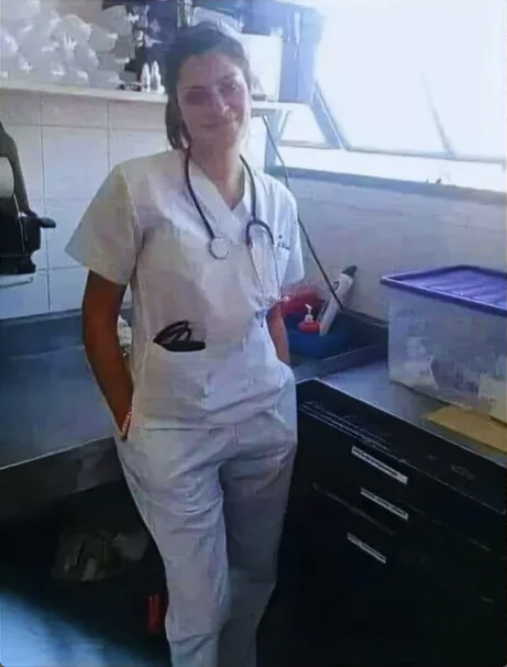
They mock her for “wiping bottoms.” She hears it sometimes—the jokes, the condescension, the subtle implication that her work is beneath people who have “real” careers. The ones who sit in offices and attend meetings and never touch the messy, unglamorous reality of human vulnerability.
But she wears it with pride.
Because she knows something they don’t: her work is more real than most jobs will ever be. She bathes people who can’t bathe themselves. Feeds those who can no longer hold spoons. Changes adults who’ve lost control of their bodies but not their dignity. She cares for human beings in their most vulnerable moments—moments when they need someone with gentle hands and a patient heart, not someone worried about prestige or status.
Unlike “prestige” jobs based on lies—the ones that create nothing tangible, that shuffle papers and manipulate numbers, that exist primarily to justify their own existence—her work is undeniably real. She touches lives. Preserves dignity. Provides comfort when bodies fail and independence crumbles. She does work that matters in the most fundamental way: she helps people survive with grace when survival becomes difficult.
And she knows something else, something the mockers haven’t learned yet: One day, you might need someone to do this for you.
Age comes for everyone. Illness doesn’t discriminate. Accidents happen. Bodies fail. And when that day comes—when you can’t bathe yourself or feed yourself or control your own body—you won’t be laughing about “wiping bottoms.” You’ll be desperately grateful for people like her. For hands that are gentle instead of rough. For caregivers who treat your vulnerability with respect instead of disgust. For professionals who chose this work not because it pays well or impresses people, but because they understand that caring for others is one of the most important things humans can do for each other.
When that day comes, you won’t mock her. You’ll be grateful for her hands.
She sees this reality every day. Sees former executives who can no longer dress themselves. Former athletes who need help getting out of bed. People who spent their lives being independent, capable, strong—now vulnerable and dependent and desperately needing someone who won’t make them feel ashamed of needs they can’t help having.
And she treats them with dignity. Doesn’t rush them or talk down to them or act like their needs are burdensome. She bathes them carefully, feeds them patiently, changes them respectfully. She preserves their humanity even when their bodies have betrayed them. She makes sure they feel cared for, not just processed. She gives them the gift of dignity in moments when dignity feels impossible to maintain.
That’s real work. Work that matters more than most careers society celebrates. Work that requires not just physical stamina but emotional strength, infinite patience, genuine compassion. Work that you can’t fake or delegate or automate. Work that demands you show up fully human, ready to care for other humans in their most difficult moments.
So yes, she wipes bottoms. And she wears it with pride. Because she knows that when the people who mock her eventually need someone to do the same for them—and they will, because everyone does eventually—they’ll understand what she’s always known: that there’s nothing shameful about this work. There’s only grace in providing it and gratitude in receiving it.
Her hands are strong from lifting. Her back aches from bending. Her heart is full from knowing she makes impossible days bearable for people who can’t help themselves. She goes home exhausted, knowing she’s done work that truly matters—not work that looks impressive on paper, but work that preserves human dignity in the moments when dignity is hardest to maintain.
The mockers will learn. Age and illness are patient teachers, and they teach everyone eventually. They’ll learn that prestige means nothing when you need help bathing. That job titles don’t matter when you can’t feed yourself. That all the career success in the world doesn’t prepare you for the humiliation of needing help with your most basic functions—and the profound gratitude for caregivers who treat you like a human being deserving of respect rather than a burden to be managed.
When that day comes, they’ll remember her. They’ll wish for caregivers with her patience, her gentleness, her refusal to make vulnerable people feel ashamed. They’ll understand, finally, that she wasn’t doing work beneath her—she was doing work most people aren’t strong enough to do.
So mock her now. Laugh about “wiping bottoms.” Congratulate yourselves on your prestigious careers that never require you to touch the messy reality of human vulnerability. But remember: One day, you might need someone to do this for you. When that day comes, you won’t mock her. You’ll be grateful for her hands.