I teach my son to cook, clean, and care for his home—not to burden him, but to prepare him. Not as punishment. Not as chores piled on because I need help. But as preparation. As life skills. As the foundation for independence and partnership and the kind of manhood that contributes rather than expects to be served.
One day he’ll live alone and need real meals, not takeout. The practical reality. He won’t always have someone cooking for him. He’ll need to feed himself. And real meals—nutritious, satisfying, home-cooked—are essential. Not just takeout. Not just microwave dinners. Real food that nourishes body and spirit.
One day he’ll fall in love and impress someone with a meal he made himself. The romance angle. Cooking as courtship. Being able to prepare a meal for someone you care about. The impression that makes. The care it demonstrates. The competence it shows. One day he’ll want to impress someone, and being able to cook will matter.
One day he’ll be a partner who shares the work, rather than seeing it as “her job.” The partnership vision. Not a man who expects his partner to do all domestic labor. But a partner who shares the work. Who understands that maintaining a home is everyone’s responsibility. Who doesn’t see cooking and cleaning as “her job” but as shared work.
My son can fold clothes, wash dishes, and season a roast, because real strength shows up everywhere—not just at work, but at home too. The competence. The specific skills. Folding clothes. Washing dishes. Seasoning a roast. These aren’t trivial tasks. They’re life. They’re daily necessities. And real strength—real capability—shows up in all areas of life. Not just career. Not just traditionally masculine domains. But at home too.
A man who refuses to cook was once a boy never taught better. The truth. The accountability. Men who expect to be served. Who refuse domestic work. Who see cooking as beneath them. They were boys never taught differently. Boys whose parents didn’t prepare them for independent adult life. Boys who learned that domestic work was someone else’s job.
Teach them young. Raise them right. The imperative. The call to action. Start when they’re young. When habits form. When values are established. Teach them that caring for a home is normal. That cooking is a life skill. That cleaning is responsibility. Raise them right—as capable, contributing partners who understand that domestic work is everyone’s work.
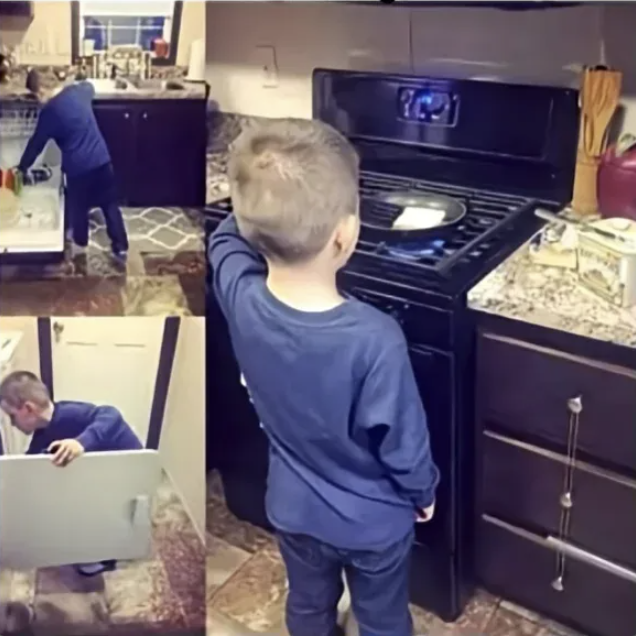
I teach my son to cook, clean, and care for his home. The photograph shows it—father and son in the kitchen. Son watching something cook. Father nearby. Both engaged in the domestic work of preparing a meal. Teaching happening through doing.
Not to burden him, but to prepare him. The motivation matters. This isn’t punishment. Isn’t burden. Isn’t unfair expectation. It’s preparation. It’s giving him skills he’ll need. It’s ensuring he can take care of himself and contribute to partnerships.
One day he’ll live alone and need real meals, not takeout. The independence argument. When he moves out. When he’s on his own. He’ll need to eat. And eating well requires cooking. Real meals. Not restaurant food every night. Not processed convenience food. But real meals that he prepares himself.
One day he’ll fall in love and impress someone with a meal he made himself. The relationship argument. When he wants to court someone. When he wants to show care. Being able to prepare a meal matters. It impresses. It demonstrates capability and thoughtfulness. It shows that he can contribute.
One day he’ll be a partner who shares the work, rather than seeing it as “her job.” The equality argument. In whatever partnership he forms. He’ll share domestic work equally. Won’t expect his partner to do it all. Won’t see cooking and cleaning as gendered work. Will understand that maintaining a home is shared responsibility.
My son can fold clothes, wash dishes, and season a roast. The specific competencies. He has these skills already. Can fold laundry properly. Can wash dishes thoroughly. Can season meat correctly. These aren’t aspirations—they’re current abilities. Because he’s being taught young.
Because real strength shows up everywhere—not just at work, but at home too. The redefinition of strength. Real strength isn’t just career success or physical prowess. It’s capability in all domains. It’s being able to take care of yourself and contribute to your household. It’s showing up at home with the same competence you show at work.
A man who refuses to cook was once a boy never taught better. The accountability for parents. Men who expect to be served. Who refuse domestic work. They learned that from boyhood. From parents who didn’t teach them. From households where domestic work was gendered. They were never taught better. But we can teach this generation differently.
Teach them young. Raise them right. The call to action. Start early. Teach domestic skills as life skills. Raise boys who can cook and clean and care for homes. Raise them to be capable partners. Raise them right—as contributing, capable adults who understand that taking care of a home is everyone’s responsibility.