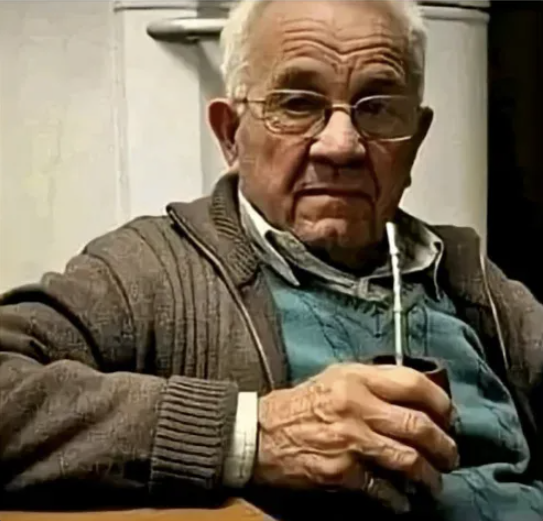
The room measures three meters by three meters. Nine square meters to contain 82 years of life. There’s a bed, a chair, a small table. Enough space to exist, but not quite enough to live. This is where a man with four children, eleven grandchildren, and two great-grandchildren spends his days now.
Seventeen descendants. Seventeen people who carry his DNA, who exist because he existed, who learned to walk and talk and navigate the world in part because of foundations he helped build. Seventeen people whose lives were shaped by his presence during holidays and birthdays and ordinary Tuesdays when grandchildren showed up at his door unannounced.
Gone now: his house, where those grandchildren once ran through hallways and raided the cookie jar. Gone: his beloved things, the possessions that held decades of memories—the chair where he read newspapers, the tools he used to fix everything that broke, the photographs that lined the walls documenting a full life. Gone: the sound of grandchildren’s laughter echoing through rooms that belonged to him.
Some of his descendants visit every fifteen days. Dutiful, consistent, showing up on a schedule that works for them. Some visit monthly, fitting him in between work and children’s activities and the demands of their own full lives. Some never visit at all, their absence louder than any words could be.
He no longer cooks the meals he once prepared for family gatherings. No longer crafts the small repairs and projects that kept his hands busy and his mind sharp. Instead, he does Sudoku puzzles—those neat little grids of numbers that require concentration but lead nowhere, that pass time without creating anything that lasts.
He helps others in therapy, offering encouragement and wisdom to fellow residents who struggle with their own adjustments. But he keeps his distance emotionally, because people in nursing homes disappear frequently. They’re there one day, asking about your family, commenting on the weather. The next day their room is empty, being prepared for someone new. Getting attached means experiencing loss on a regular schedule, so he’s learned to be helpful without investing too deeply.
They say life gets longer, those descendants who visit every fifteen days or monthly or never. Medical advances, better nutrition, healthier lifestyles—people are living into their eighties and nineties now, even past one hundred. Life gets longer. But he’s discovered something those statistics don’t capture: longer doesn’t mean better. Longer doesn’t mean fuller. Sometimes longer just means more time to sit alone in a small room, looking at photographs and souvenirs that represent a life that used to be his.
His hands hold a tissue in the photograph, practical and unremarkable. His expression is resigned, the look of someone who’s stopped expecting things to change. Behind his glasses, his eyes carry the particular exhaustion that comes not from physical tiredness but from emotional emptiness—from having too much time and not enough to fill it with, from being surrounded by family in theory but alone in practice.
He hopes the next generations remember something he’s learned too late: that caring for those who cared for us is the greatest honor. Not visiting every fifteen days as an obligation checked off a list, but truly caring—asking about the Sudoku puzzles, sitting long enough to hear the stories they’ve already told, bringing grandchildren who don’t want to come but need to see where this road leads for all of us eventually.
The nursing home does its job. He’s fed, clean, safe. His medical needs are met. There’s structure and routine and assistance when he needs it. But nursing homes can’t provide what he’s really missing: the feeling of mattering to someone beyond his role as patient or resident. The sense that his absence would create a hole in someone’s daily life, not just a vague sadness they’d feel at his funeral while saying they wished they’d visited more.
Seventeen descendants. On paper, that looks like wealth—like a rich legacy of family and connection. In reality, it’s a number that highlights how isolated someone can be even when surrounded by people who share his blood. Because family isn’t really about DNA or numbers. It’s about presence. It’s about showing up not just physically but emotionally. It’s about making someone feel that their life still has purpose, that their stories still matter, that they’re more than just someone elderly who needs to be managed.
He does his Sudoku puzzles and helps others in therapy and keeps his emotional distance because attachment leads to loss in this place where people frequently disappear. He looks at photographs that show a different version of his life—one where his house was full and his things were around him and grandchildren’s laughter was a regular soundtrack. He holds those souvenirs and remembers when life meant something more than waiting.
This isn’t about blame or guilt, though his descendants might feel both when they read this. It’s about a truth we often don’t want to face: that the way we treat our elderly reveals who we really are. That busy schedules and good intentions don’t replace actual presence. That every visit we postpone, every call we don’t make, every month that passes without showing up—those absences accumulate into loneliness so profound it becomes the defining experience of someone’s final years.
Life gets longer, they say. As if that’s unequivocally good news. But sitting in a three-by-three-meter room with seventeen descendants who mostly stay away, he understands that length without meaning is just duration. That living longer only matters if you have reasons to want those extra years.
He hopes the next generations remember. Not just remember him—though that would be nice too—but remember this: that caring for those who cared for us isn’t a burden to be scheduled and minimized. It’s an honor to be embraced, an opportunity to show gratitude through action, a chance to ensure that the people who gave us everything don’t spend their final years with nothing but Sudoku puzzles and photographs of a life that used to feel full.
The room is small. The visits are infrequent. The days are long. And somewhere, seventeen people are living full lives, mostly unaware that the man who helped create those lives is sitting alone, looking at souvenirs, wondering what longer life is actually for.