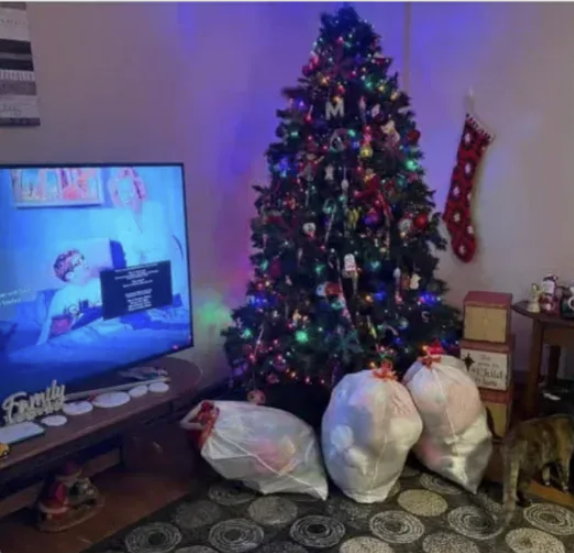
The tradition starts the same way every year. As Christmas approaches and the house buzzes with anticipation about what Santa might bring, she pulls out the trash bags—large white ones that can hold more than you’d expect. She hands them to her children and explains the plan.
Santa needs help. There are children all over the world who won’t get toys this Christmas, and Santa’s workshop is running behind. So the children who already have plenty can help by gathering toys they don’t play with anymore—the ones that have been forgotten in the backs of closets, the stuffed animals that no longer get hugged, the puzzles completed once and never touched again.
They’ll fill these bags and put them under the Christmas tree. On Christmas Eve, when Santa comes to bring new toys, he’ll also take these bags back to the North Pole. His elves will fix everything up—restitch the teddy bears, replace missing puzzle pieces, make sure the toy cars roll smoothly again. And next year, these toys will bring joy to children who desperately need it.
Her children absolutely love this tradition. Not reluctantly, not as a chore they tolerate to get to the good part. They genuinely embrace it, combing through their rooms with purpose, having real conversations about which toys they’ve outgrown and which still bring them happiness. They learn to evaluate what matters, to recognize when something that once brought joy might bring even more joy to someone else.
The bags pile up under the Christmas tree, lumpy and full, sitting alongside the wrapped presents that will appear Christmas morning. There’s something powerful in that visual—abundance preparing to make space for more abundance, the old making room for the new, the act of giving happening in the same space as receiving.
On Christmas morning, the bags are gone. Santa took them, just like Mom said he would. In their place are new toys, fresh and wrapped, ready to create new memories. The children tear into their presents with the same enthusiasm as any other kids, but something additional has happened in their understanding of the holiday. Christmas isn’t just about what you get. It’s also about what you give.
What the children don’t know—at least not yet—is where those bags really go. Mom loads them into her car after the children are asleep, drives them to the Salvation Army or a toy drop for underprivileged children. The toys really will go to kids who need them. Santa’s elves might not be the ones doing the sorting, but the end result is the same: toys finding their way to children whose Christmases might otherwise be empty.
The genius of this tradition isn’t in the deception—it’s in what the story teaches. By framing generosity as helping Santa, she removes the potential for her children to feel superior or pitying toward the recipients. They’re not giving to poor kids (even though they are). They’re helping Santa complete his mission. They’re participating in the magic, not performing charity that might make them feel self-congratulatory.
It teaches them something crucial that many people never learn: giving brings as much joy as receiving. Her children get genuinely excited about filling those bags, about imagining their old toys bringing happiness to other children. They learn that outgrowing something doesn’t mean it loses value—it just means it’s time for it to matter to someone else.
As they get older, the tradition evolves. They start understanding that Santa might not be the one literally transporting these toys to the North Pole. But by then, the lesson has taken root so deeply that the mechanics don’t matter. They understand that they’re part of a system of generosity, that their abundance can help address someone else’s scarcity, that Christmas is bigger than just what happens in their own living room.
The trash bags under the tree become a visual reminder of something important: that holding on loosely is healthier than clutching tightly. That making space in your life for new experiences means releasing old ones. That generosity isn’t something you perform occasionally—it’s something you weave into the fabric of celebrations and ordinary days.
Some people might see those bulging trash bags and think the children are being forced to give up their toys. But watch them fill those bags and you see something different. They’re thoughtful about it, sometimes holding toys for a long moment, remembering the joy they once brought. Then they place them gently in the bag, imagining another child’s face lighting up the way theirs once did. That’s not sacrifice—that’s empathy in action.
The tradition also teaches them about cycles. Toys don’t just disappear when you’re done with them. They continue having lives, bringing joy to different children, perhaps eventually being passed on again. Nothing is truly finished just because you’re personally finished with it. Everything has potential for additional purpose if you’re willing to let it go.
Christmas morning, when they’re surrounded by new presents, they don’t forget about those bags they filled. They mention them, wonder which children will get their old favorites, hope that Santa’s elves did a good job with the repairs. The giving hasn’t been eclipsed by the receiving—both exist together, balanced, teaching them that life at its best is about both holding and releasing, receiving and giving, being blessed and being a blessing.
Years from now, when they’re adults filling their own trash bags with their own children’s outgrown toys, they’ll remember this. They’ll remember that their mother taught them generosity not through lectures about gratitude or warnings about privilege, but through a simple tradition that made giving feel as magical as receiving. They’ll remember that Christmas was always bigger than just their own family’s living room—it was part of a larger story about making sure every child felt the magic.
The Salvation Army receives those bags along with hundreds of others. Workers sort through them, pulling out the toys still in good condition, preparing them for distribution. They don’t know the story behind each bag—the careful selection process, the children’s enthusiasm, the lesson being taught about generosity. But the toys will complete their journey anyway, landing in the hands of children whose parents can’t afford new ones, children who will wake up Christmas morning with something to unwrap after all.
And somewhere, a mother watches her children tear into new presents, knowing that earlier they filled bags with old ones. Knowing that she’s raising people who understand that joy multiplies when it’s shared. Knowing that the trash bags under the tree taught them something more valuable than any toy Santa could bring: that giving and receiving aren’t opposites—they’re partners in the kind of life worth living.