Kevin was walking through Atlanta when he saw them—a group of men waiting outside a shelter, hoping for a bed that night but knowing the odds weren’t in their favor. They had that particular look that comes from too many nights without shelter, too many days being invisible to people who walk past without making eye contact.
When Kevin asked how they were doing, one man’s answer was honest in a way that cut through all the usual pleasantries: they probably wouldn’t get in. The shelter was full, or nearly full, and these men had been through this before. They knew what it meant to wait and hope and be turned away.
Kevin could have offered sympathy and kept walking. Instead, he gave each of them a Goodness Bag—gloves, socks, toothpaste, a five-dollar bill. Basic necessities that most people take for granted but that represent dignity and care when you have nothing. It was a kind gesture, the sort of thing that might earn a thank you and a nod.
But one man wanted more than supplies. He smiled, looked inside the bag, then looked Kevin straight in the eyes. What he said next revealed something profound about what it means to be homeless in a world that treats you like you’re invisible.
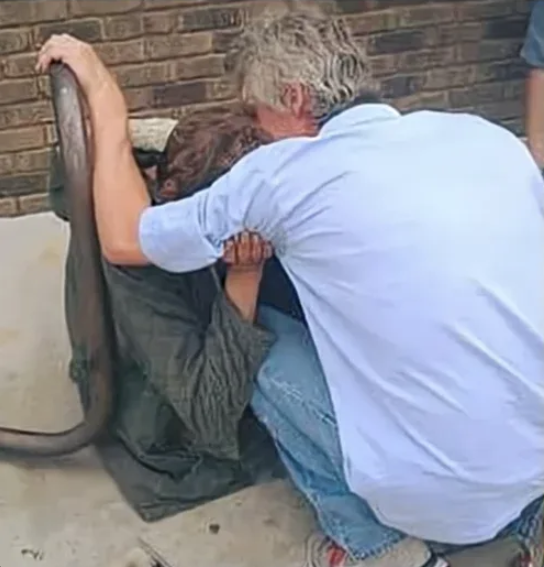
“Kevin,” he said, “I don’t want to shake your hand… I want to hug you.”
And when they hugged, Kevin felt something he’d later describe as the man’s deep need to be seen. Not just acknowledged or helped, but truly seen as a human being worthy of connection, touch, dignity. The hug wasn’t about the gloves or the toothpaste or the five dollars. It was about recognition—about one person seeing another as fully human and responding with physical affection that says: you matter, you’re not invisible, you’re not less than anyone else.
How long had it been since someone hugged him? Since someone touched him with genuine warmth rather than suspicion or avoidance? Since someone looked at him and saw a person rather than a problem?
Homelessness steals many things—shelter, security, privacy, possessions. But one of the cruelest thefts is invisibility. The way people’s eyes slide past you on the street. The way conversations stop when you approach. The way you become background, scenery, something to step around rather than someone to engage with.
That man didn’t want charity in that moment. He wanted connection. He wanted to feel what it’s like to be seen as someone worthy of embrace. He wanted Kevin to know that beneath the circumstances that had brought him to that shelter line, there was still a human being who needed more than supplies—he needed to be recognized as mattering.
Kevin gave him that. Not just the practical items in the bag, but the even more valuable gift of presence, of seeing, of responding to a request for human connection with openness rather than discomfort. That hug acknowledged what the man had been trying to tell him: I’m still here. I still need connection. I’m still worthy of your warmth.
There’s profound dignity in asking for what you need. That man could have accepted the bag politely and stayed invisible. Instead, he asked for recognition, for touch, for the basic human experience of being held. And Kevin, rather than pulling back or offering a handshake as a compromise, gave him exactly what he needed.
Sometimes the most powerful thing we can offer isn’t money or supplies. It’s the simple act of seeing someone fully—not their circumstances, not their struggles, but their fundamental humanity. Of responding to their presence not with avoidance or pity but with genuine connection.
That hug outside the Atlanta shelter wasn’t just about two men. It was about all of us, about the choice we make every day when we encounter people society has taught us to look past. Do we offer just enough to ease our conscience? Or do we truly see them, truly connect, truly acknowledge that their need for recognition runs deeper than their need for supplies?
Kevin gave each man a bag of necessities. But one man taught him that the greatest necessity isn’t always physical. Sometimes what we need most is proof that we’re still visible, still worthy, still human enough to deserve an embrace.
When he hugged Kevin, it felt like he hadn’t been seen in a long time. Because he hadn’t. And in that moment of being truly seen, truly held, truly acknowledged, something essential was restored—not shelter, not security, but dignity. The knowledge that even when the world turns away, some people will still choose to see you.