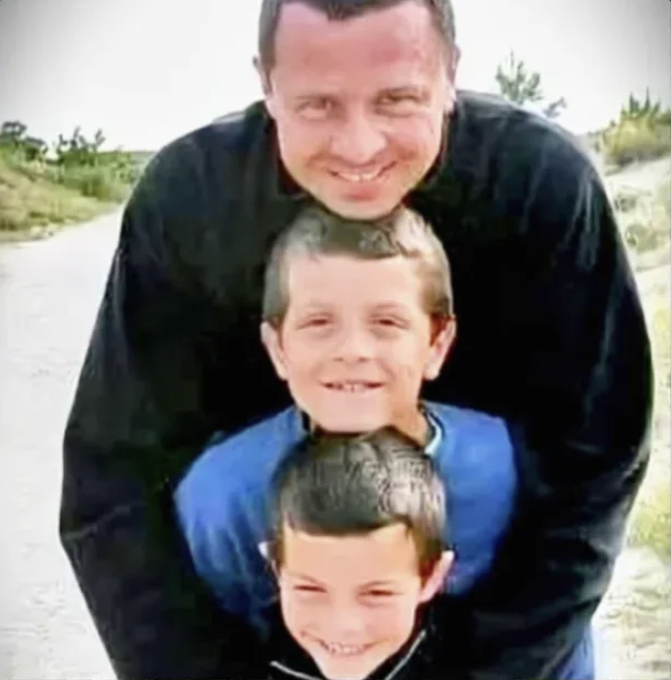
Jake was six years old when he said it. Just two words, spoken softly over breakfast cereal: “Good morning, Dad.”
His stepdad—the man who’d packed his lunches, read him bedtime stories, and never missed a soccer game—froze mid-pour with the milk carton in his hand. His eyes filled instantly. Because in two years of showing up every single day, this was the first time Jake had called him “Dad.”
Their biological father had appeared twice a month at first—arriving with gifts and promises, playing the hero for an afternoon, then disappearing again. The boys would wait by the window, excited. But the visits became less frequent. Then they stopped altogether. The gifts stopped. The calls stopped. The man who was supposed to be their father simply chose not to be.
But this man—their everyday dad—never stopped choosing them. He’d entered their lives when Jake was four and Sam was barely two. He didn’t come with grand gestures or promises. He came with consistency. With packed lunches and permission slips. With patience during tantrums and presence during nightmares. With a quiet, steady love that showed up not when it was convenient, but when it mattered.
When Jake said “Good morning, Dad” that morning, he wasn’t just acknowledging a title. He was recognizing what their stepdad had been proving all along: that being a father has nothing to do with biology and everything to do with choice. With showing up. With staying.
Two years later, four-year-old Sam—who barely remembered a time before his stepdad—tugged his sleeve during a playdate. The other kids were talking about their dads. Sam looked up, his small face serious, and said loud enough for everyone to hear: “You’re more Dad than he’ll ever be.”
The man knelt down, pulled both boys close, and felt something settle in his chest—not pride, exactly, but purpose. Because he understood something that their biological father never would: love isn’t measured in DNA. It’s measured in bedtime stories read when you’re exhausted. In lunches packed before dawn. In showing up to games, recitals, parent-teacher conferences. In choosing them, over and over, every single day.
Their biological father sends gifts occasionally—on birthdays, Christmas. The boys accept them politely. But they don’t wait by the window anymore. They don’t count the days between visits. Because they’ve learned what their stepdad has taught them through his actions: real fathers don’t just appear when it’s easy. They stay when it’s hard.
Now, when people ask the boys about their dad, they don’t hesitate. They talk about the man who taught them to ride bikes, who stays up late helping with homework, who cheers the loudest at every game. They talk about the man who chose to be their father when the man who was supposed to be walked away.
And late at night, when the house is quiet and the boys are asleep, their dad sometimes stands in their doorway, watching them breathe. He thinks about the first time Jake called him “Dad.” About Sam’s fierce declaration. About how fatherhood found him not through genetics, but through commitment. And he feels grateful—not that their biological father left, but that his leaving created space for something real to grow.
Some fathers aren’t born. They’re chosen—every single morning, every packed lunch, every bedtime story, every moment they show up when someone else walked away. And those are the fathers who change everything.