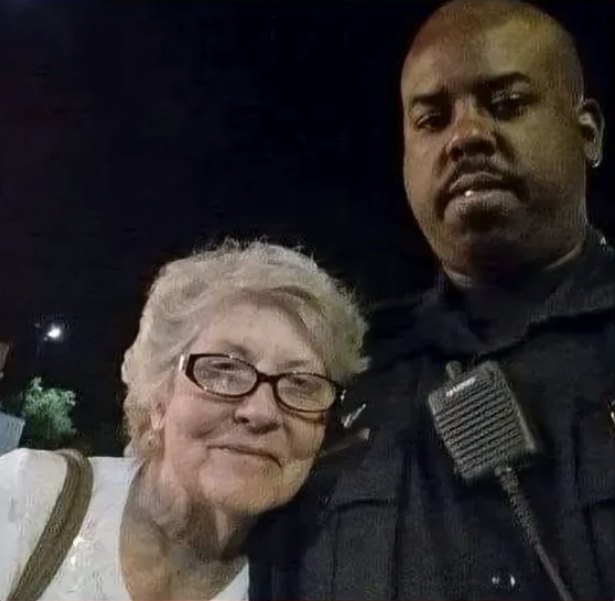
While patrolling I-10, the officer noticed an elderly woman weaving dangerously, nearly side-swiping a truck. Not driving aggressively or recklessly, but struggling—the kind of erratic movement that signals someone in trouble rather than someone breaking laws intentionally. He pulled her over, expecting a routine traffic stop.
She was driving alone from San Antonio to Pearland. A long drive even for someone young and capable. For an elderly woman struggling to control her vehicle, it was dangerous. She insisted she was fine and could make it—the kind of stubborn independence elderly people maintain even when it’s no longer safe, even when asking for help would be wiser.
But the officer could see she wasn’t going to make it driving like that. Could see exhaustion or confusion or something making her movements uncertain. Could see that letting her continue would likely end in accident or worse.
So he asked when she’d last eaten. “Around lunchtime,” she said—hours ago, long enough that low blood sugar could be affecting her driving, long enough that hunger was compounding whatever else made her struggle.
He escorted her to Waffle House and waited while she ate. Didn’t just point her toward food and leave. Didn’t call someone else to help. Stayed with her, making sure she was safe, making sure she got nourishment, making sure this elderly woman driving alone knew someone cared about whether she made it home safely.
She tried to pay him—the instinct of people who don’t want to be burdens, who want to repay kindness immediately rather than accept it as freely given. But it’s his job, he told her. Not in the technical sense—sitting with elderly women in Waffle House isn’t in any police officer’s job description. But in the human sense, the sense that says protecting people means more than just enforcing traffic laws.
She asked for a hug instead. And he gave it—not the professional handshake or formal thank you, but genuine human connection. An elderly woman and a police officer embracing in a Waffle House parking lot because she needed help and he provided it and now they’re both part of each other’s stories.
Remember, you don’t need a badge to help someone in need.
The officer’s lesson isn’t just for police. It’s for all of us. He had a badge and authority and a patrol car, yes. But what he used most was basic human decency—the ability to see someone struggling and respond with help rather than just citation. The willingness to escort someone to safety rather than just warning them about danger. The compassion to stay with an elderly woman while she ate rather than just pointing her toward food and moving on.
We all have that ability. Don’t need badges or authority or official roles. Just need to notice when people are struggling and decide their safety matters more than our convenience. Just need to recognize that sometimes helping means staying present, not just offering quick solutions and leaving.
That elderly woman made it home safely because an officer saw her weaving dangerously and responded with help instead of just enforcement. Because he asked about food and provided it. Because he stayed rather than just pointing the way. Because he understood that protecting people sometimes means escorting them to Waffle House and waiting while they eat.
She’ll remember that officer. Will tell her family about the day she was struggling on I-10 and a police officer not only pulled her over but made sure she was fed and safe before continuing. Will carry his kindness as proof that people still care, that officers still protect, that humanity shows up in unexpected places.
And maybe—hopefully—her story will inspire others. Will remind people that badges aren’t required to help. That seeing someone struggle and responding with compassion is something everyone can do. That sometimes the most important thing we can do is simply stay with someone until they’re safe, fed, and ready to continue.
You don’t need a badge to help someone in need. You just need to notice they need help and decide you’re the one who’ll provide it.